Africa Medical and Behavioral Sciences Organization
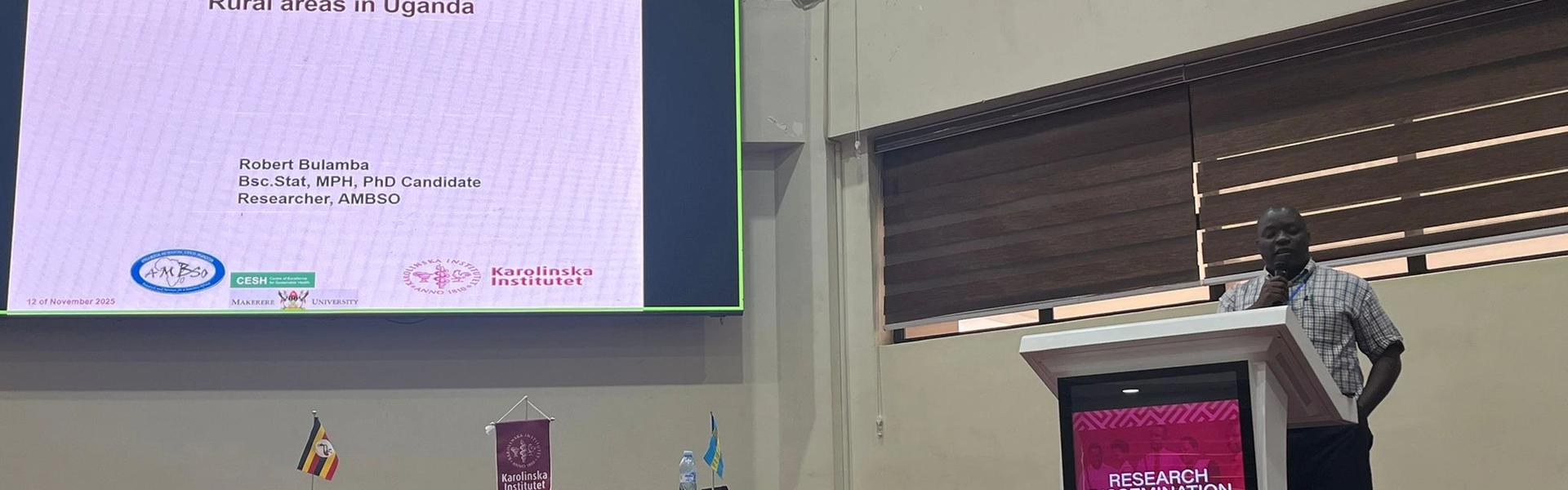
This study aims to understand and prevent the occurrence, determinants, and predisposing factors of non-communicable diseases (NCDs), with a particular focus on stroke prevention and rehabilitation in East Africa. Leveraging the AMBSO Population Health Surveillance (APHS) cohort, the study is being conducted in collaboration with the Karolinska Institutet Health and Living Conditions (HELD) Group.
The research seeks to identify the behavioral, environmental, social, and clinical factors that contribute to the development of NCDs and stroke, while also examining opportunities for prevention, early detection, and effective rehabilitation. By utilizing longitudinal population-based data from the APHS cohort, the study aims to generate evidence on disease patterns, risk factors, and health outcomes within the East African context.
The findings are expected to inform policy and public health interventions that promote healthy behavioral change, encourage early diagnosis and timely linkage to care, improve life expectancy and health-related quality of life, and contribute to the achievement of the Sustainable Development Goals (SDGs), particularly those related to health and well-being. The study will also strengthen the evidence base for NCD prevention and management strategies in Uganda and the broader East African region.
To determine the prevalence and distribution of non-communicable diseases and stroke within the study population.
To identify behavioral, environmental, socio-economic, and clinical risk factors associated with the development of NCDs and stroke.
To assess predisposing conditions and determinants that contribute to the occurrence and progression of stroke and other NCDs.
To evaluate opportunities for early diagnosis and linkage to care for individuals at risk of or living with NCDs.
To investigate factors influencing stroke recovery and rehabilitation outcomes among affected individuals.
To generate evidence for policy and public health interventions aimed at promoting healthy lifestyles and reducing the burden of NCDs.
To improve understanding of NCD prevention and management in the East African context through the use of longitudinal population-based data.
To contribute to improving life expectancy, health-related quality of life, and progress toward the Sustainable Development Goals (SDGs) related to health and well-being.
Protocol Title
N/A
Study Site
Wakiso and Hoima study sites
Swedish Research Council
Contact our research team to learn about eligibility and how to get involved.
Contact Research Team