Africa Medical and Behavioral Sciences Organization
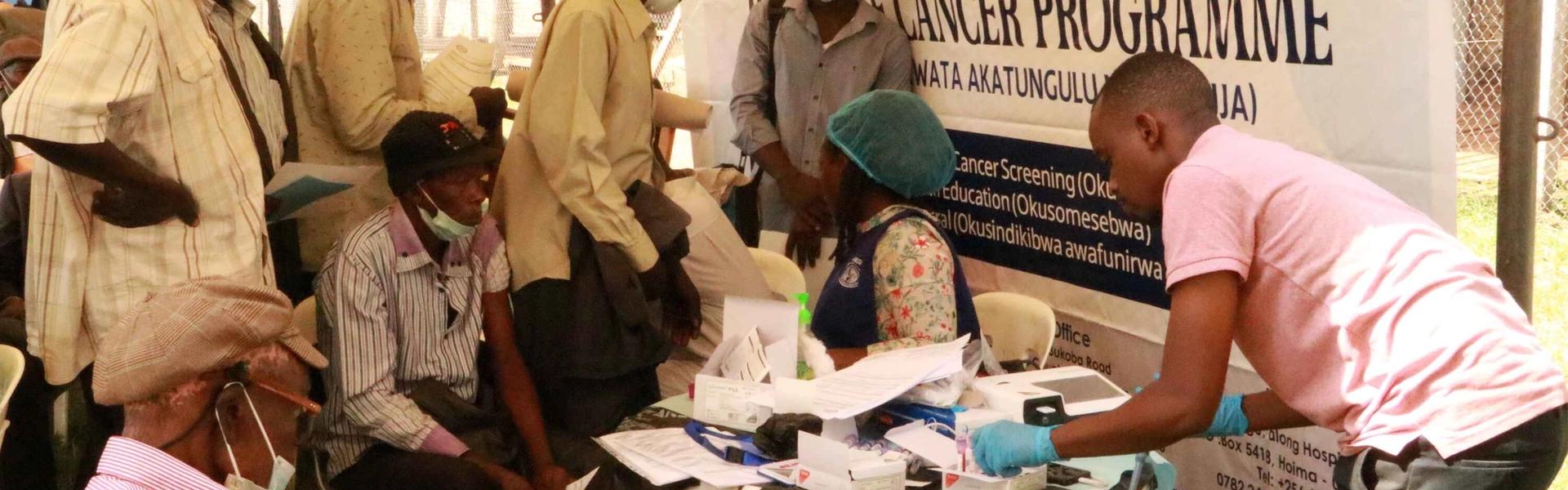
Prostate cancer incidence rates in African and African derived populations are the highest in the world, with rates in some African countries exceeding those of African Americans in the U.S The greater incidence of prostate cancer in men of African ancestry remains one of the most important unanswered health disparities globally. In Uganda, among men, the age standardized incidence rate of prostate cancer is 39.6 per 100, 000.
These long-standing racial/ethnic differences in prostate cancer risk have yet to be explained, but presumably reflect both the differing prevalence of environmental/social factors and the frequency of underlying germline susceptibility alleles.
To study common and rare germline variation in association with prostate cancer risk in men of African ancestry, using cutting edge genotyping and sequencing techniques. (UGPCS)
To determine non-genetic risk factors associated with prostate cancer among men of African ancestry. (UGPCS)
To identify germline and tumor genomic/molecular determinants of aggressive prostate cancer and disease progression in men of African ancestry. (UGPCS)
To determine the acceptability and validity of a rapid screening kits for prostate cancer in the Ugandan population. (UGPCS-epi)
To assess population level determinants of high PSA (≥4 ng/ml) in men of African ancestry (UGPCS-epi).
To explore whether circulating tumor cells and circulating tumor DNA can be detected in the blood of men with aggressive prostate cancer and may be used to screen for aggressive disease (UGPCS-screen).
To determine disease progression of prostate cancer from the time of presentation among Ugandan men. (UGPCS-screen).
Protocol Title
Understanding prostate cancer in men of African ancestry
Study Site
Country Wide
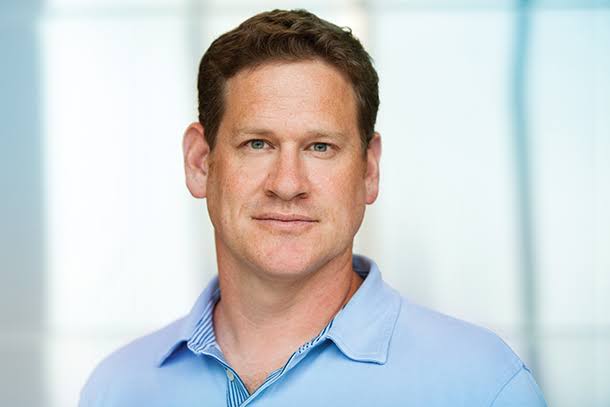
Dr. Christopher Haiman
Co-Investigator

Dr. Nalugoda Fred
Board Member

Dr. Nakigozi Getrude
Board Member

Dr. Kigozi Godfrey
Board Member

Dr. Kagaayi Joseph
Board Member
National Cancer Institute of the National Institutes of Health (NIH)


Contact our research team to learn about eligibility and how to get involved.
Contact Research Team