Africa Medical and Behavioral Sciences Organization
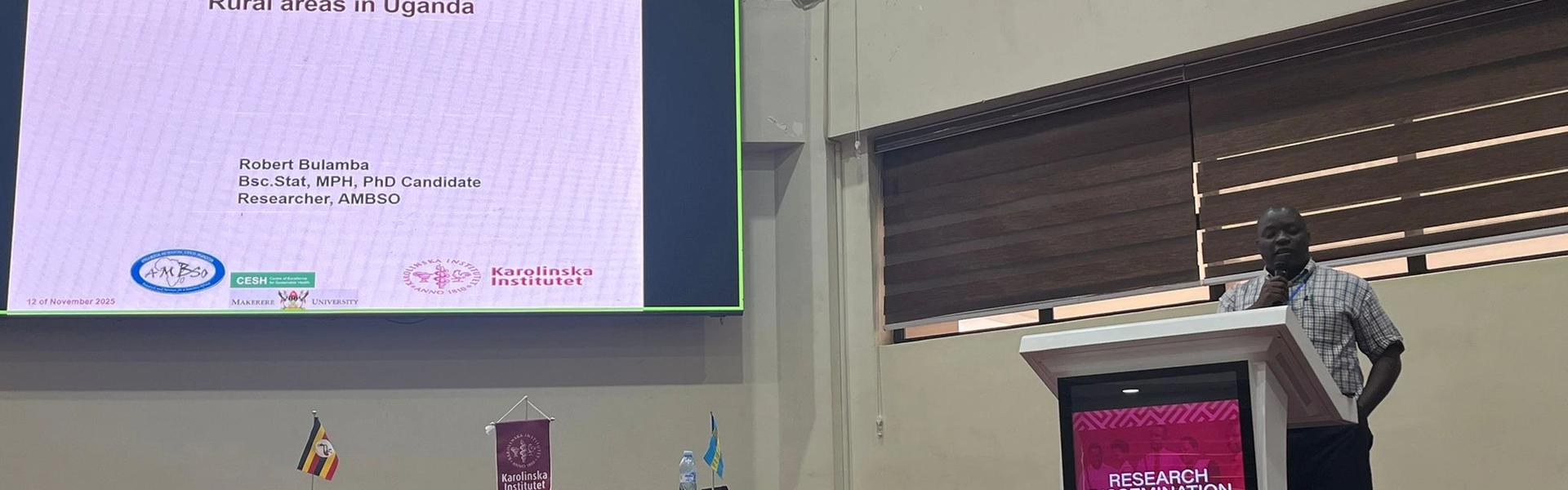
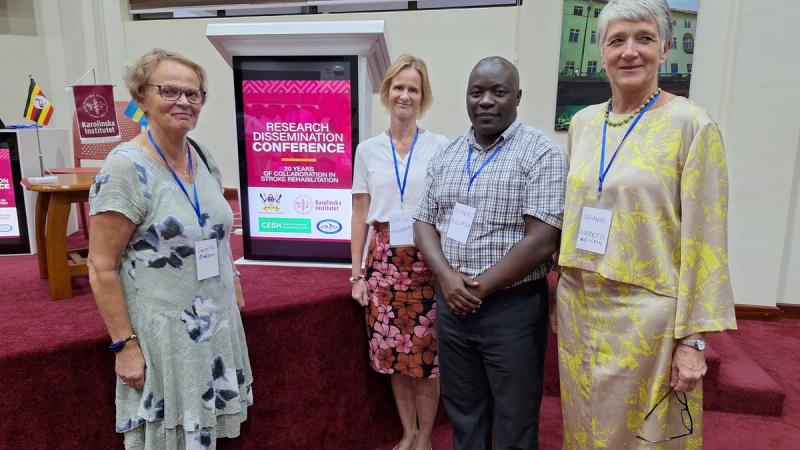
AMBSO was honored to present its preliminary research findings at the Research Dissemination Conference: 20 Years of Collaboration in Stroke Rehabilitation held on 12th November 2025 at the Makerere University School of Public Health in Kampala.
The conference was organized by the Karolinska Institute (KI) in collaboration with the Makerere University College of Health Sciences and the Centre of Excellence for Sustainable Health (CESH). It was convened under the theme “Digital Advances into Stroke Rehabilitation in Uganda – Enabling Participation in Everyday Life of Persons Living with the Consequences of Stroke.”
Key Findings on Stroke Prevalence in Uganda
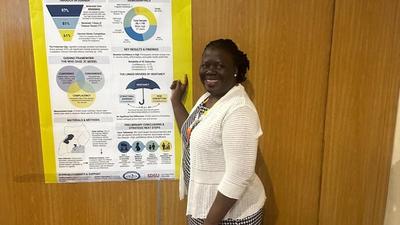
During the conference, AMBSO presented findings from its study titled “Determining Prevalence of Stroke in Rural and Urban Areas in Uganda.” The preliminary results provide important insights into the burden of stroke across different population groups.
The study found an overall stroke prevalence of 2.7% within the sampled population. However, the burden was significantly higher among specific groups. Among individuals aged 30 years and above, prevalence rose to 6.3%, and further increased to 15.9% among those aged 40 years and above.
Geographical and social factors also influenced prevalence rates. The study revealed a higher prevalence in rural communities (12%) and among unmarried individuals (17.8%). Notably, stroke prevalence was significantly higher among females (20.6%) compared to males (3.8%), highlighting important gender disparities that require further investigation.
Contributing to Stroke Research and Rehabilitation
AMBSO’s participation in this conference reflects its commitment to advancing research that informs public health interventions and rehabilitation strategies in Uganda. The findings contribute to a growing body of evidence aimed at improving prevention, early detection, and management of stroke.
As the organization continues its research efforts, these insights will support stakeholders in designing targeted interventions and strengthening healthcare systems to better address the burden of stroke in both rural and urban communities.